
What Makes a Good PSHE Lesson?
This blog breaks down what really makes an effective, engaging and good PSHE lesson.
Chantele Barker
3/14/20261 min read
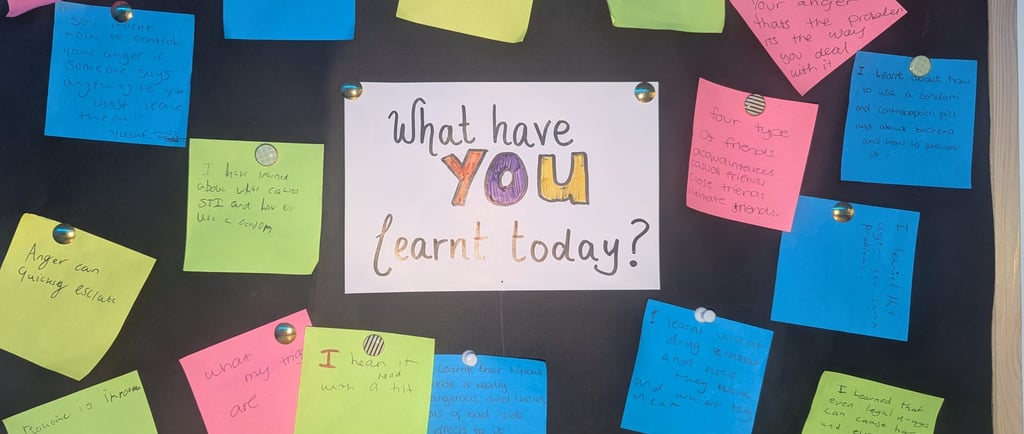
PSHE isn't just a lesson on the timetable. It's safeguarding. It's prevention. It's confidence-building. It's life skills. Today's blog breaks down what actually makes a good, engaging and effective PSHE, not just a ticked box.
Establishing a safe and supportive environment
Establishing Rules/ Class Contract
Ground rules are agreed by staff and students before the lesson begins and are adhered to throughout the lesson.
Distancing Techniques
Distancing techniques are clearly used.
Managed Discussions
Discussions are managed sensitively and the teacher responds appropriately to spontaneous questions/comments raised by students.
Informed Awareness
The teacher is aware of vulnerable students and enables them to safely participate.
Confident Teacher
The teacher feels confident to teach the lesson, students enjoy their learning and make progress.
PSHE is taught like other curriculum subjects
Whole School Approach
The lesson is planned in line with the whole school programme and is in-line with school policies.
Effective Planning
Planned and well-structured lesson with clear beginning, middle and end.
Learning Strategies
Effective learning strategies are used to engage students and challenge their thinking.
Active Engagement
Students are involved in active and participatory activities through which they develop skills and attitudes, as well as knowledge and understanding.
Confident Teacher
I've mentioned this before, but its so important. There's nothing worse than a teacher who is not comfortable to teach the lesson or the content. That's why we need more passionate about PSHE teachers!
Assessment of Learning
Baseline Assessments
Teaching starts from where the students are (drawing on the baseline assessment).
Evidencing Progress
Students and teachers are able to see the progress students have made.
Student-Centred
Students have opportunities to reflect on their learning, including how they feel about their learning.